Do I Need a Night Guard for Teeth Grinding?
Waking up with a sore jaw, frequent headaches, sensitive teeth, or noticing that your teeth seem more worn than they used to be may be signs that it's time to schedule a dental assessment. While these symptoms can have several possible causes, recurring grinding or clenching during sleep is one reason a dentist may recommend discussing whether a night guard for teeth grinding could be appropriate.
Many people grind or clench their teeth without realizing it because it often happens during sleep. The good news is that a dental assessment can help determine whether teeth grinding may be contributing to your concerns and whether a night guard is worth considering.
What Happens When You Grind or Clench Your Teeth?
Teeth grinding, also called clenching or bruxism, places repeated pressure on your teeth, jaw muscles, and surrounding structures. Some people grind only occasionally, while others do it more regularly without realizing it.
Because it commonly occurs during sleep, you may not know it's happening until you begin noticing symptoms or your dentist points out signs of wear during an examination.
Grinding or clenching can sometimes contribute to:
- Flattened or worn teeth.
- Tooth sensitivity.
- Small chips or cracks.
- Morning jaw soreness.
- Tight facial muscles.
- Headaches after waking.
- Increased pressure on existing dental work.
It's important to remember that these symptoms don't automatically mean you're grinding your teeth. Headaches, jaw discomfort, and tooth sensitivity can have many different causes. That's why a professional assessment is the best way to determine whether grinding may be contributing to what you're experiencing.
Signs It May Be Time to Ask About a Night Guard
Since grinding often happens while you're asleep, the signs are sometimes subtle at first.
You may want to speak with a dentist if you notice:
- Jaw stiffness when you wake up.
- Frequent morning headaches.
- Teeth that feel unusually sensitive.
- Visible wear along the edges of your teeth.
- Small chips that don't seem related to an injury.
- Tightness in your jaw muscles.
Even if these symptoms seem mild, they're worth mentioning during your regular dental visits. Your dentist can look for patterns that may suggest teeth grinding (bruxism) is contributing to changes in your oral health.
Some people experience only one symptom, while others notice several developing gradually over time. Because every situation is different, it's best not to assume that occasional jaw discomfort or headaches always mean you need a night guard.
Instead, think of these signs as reasons to start a conversation with your dentist rather than reasons to diagnose yourself.
How a Custom Night Guard May Help Protect Your Teeth
If your dentist determines that nighttime grinding or clenching may be affecting your teeth, one possible recommendation is a custom night guard.
A night guard doesn't necessarily stop a person from grinding their teeth. Instead, it may help protect the teeth from some of the forces created during grinding or clenching while also helping reduce wear on the enamel.
Because everyone's bite is different, comfort and fit are important considerations. Custom mouth guards for sleep are designed specifically for your teeth, allowing your dentist to evaluate how the appliance fits within your overall treatment plan.
Your dentist may also explain:
- How the night guard should fit.
- When it should be worn.
- How to clean and care for it.
- When it should be checked during future dental visits.
Not everyone who grinds their teeth will require exactly the same treatment. In some situations, your dentist may recommend monitoring the condition first or discussing additional factors that could be contributing to your symptoms.
A custom night guard is only one part of managing teeth grinding. The most appropriate recommendation depends on your oral health, the amount of tooth wear present, and the findings during your examination.
Why a Dental Assessment Matters Before Choosing a Night Guard
It can be tempting to buy an over-the-counter night guard as soon as you suspect you're grinding your teeth. While these products are widely available, they aren't necessarily the right solution for every person or every situation.
A dental assessment allows your dentist to look beyond the symptoms and determine whether teeth grinding or clenching is actually contributing to your concerns. Jaw discomfort, headaches, tooth sensitivity, and worn teeth can all have multiple possible causes, so it's important not to assume that grinding is always responsible.
During an examination, your dentist may look for:
- Patterns of tooth wear.
- Small cracks or chips in the enamel.
- Signs of damage to existing fillings, crowns, or other restorations.
- Tenderness in the jaw muscles.
- Changes in your bite.
- Other oral health concerns that may need attention.
Looking at the whole picture helps your dentist recommend care that's appropriate for your individual needs rather than focusing on just one symptom.
The assessment is also a good opportunity to talk about your habits and lifestyle. Some people notice themselves clenching their teeth during stressful situations throughout the day, while others only experience grinding during sleep. Sharing any symptoms you've noticed, even if they seem minor, can provide helpful information.
If your dentist believes a night guard may be beneficial, they can explain why it's being recommended and what you can realistically expect from wearing one. The discussion should always be personalized rather than based on a one-size-fits-all approach.
Frequently Asked Questions About Night Guards for Teeth Grinding
How do I know if I grind my teeth at night?
Many people aren't aware they grind their teeth because it usually happens while they're asleep. In fact, it's common for a family member or partner to notice the grinding sounds before the person experiencing them does.
Some signs that may be worth discussing with a dentist include:
- Waking with jaw soreness or stiffness.
- Frequent morning headaches.
- Teeth that seem more sensitive than usual.
- Flattened or worn tooth edges.
- Chipped teeth without a clear injury.
- Tight facial muscles after waking.
These symptoms don't automatically mean you grind your teeth, but they are good reasons to arrange a dental assessment so your dentist can determine whether grinding may be contributing to what you're experiencing.
Can a night guard stop teeth grinding?
A night guard is generally designed to help protect your teeth from the forces created by grinding or clenching. It shouldn't be viewed as a treatment that necessarily stops the grinding itself.
Some people continue to grind while wearing a night guard, but the appliance may help reduce the amount of wear placed on the teeth during sleep. Your dentist can explain how a night guard fits into your overall treatment plan and whether additional recommendations may also be appropriate.
Is a custom night guard better than a store-bought option?
There isn't one solution that's right for everyone. Store-bought night guards may seem convenient, but they aren't made specifically for your bite.
A custom night guard is designed using impressions or digital records of your teeth, allowing it to fit more precisely. Your dentist can determine whether a custom appliance is appropriate after evaluating your oral health, the amount of tooth wear present, and your individual needs.
Rather than choosing a product based on convenience alone, it's worth discussing the available options during your dental assessment so you can make an informed decision.
Talk to Westmount Dental About Teeth Grinding and Night Guards
If you've been waking with jaw tension, headaches, sensitive teeth, or you've noticed changes in the appearance of your teeth, it may be time to have those symptoms evaluated. Even if you're unsure whether you're grinding or clenching during sleep, discussing your concerns with a dentist can help identify possible causes and determine whether further assessment is appropriate.
At Westmount Dental in Waterloo, patients can receive personalized evaluations for concerns related to nighttime grinding and clenching. During your visit, your dentist can examine your teeth, review any symptoms you've noticed, and explain whether a night guard or another approach may be worth considering based on your individual oral health.
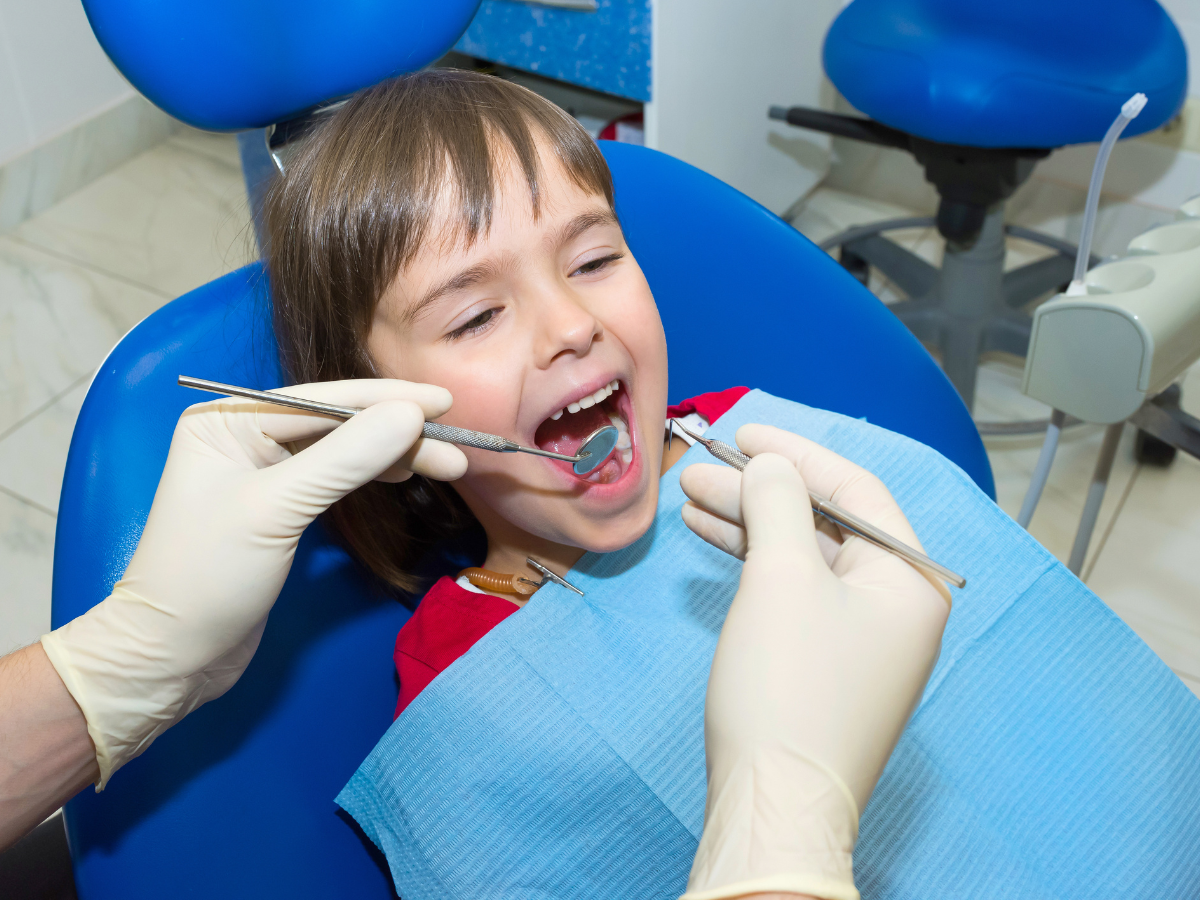
If you're concerned about ongoing grinding, clenching, tooth wear, sensitivity, or jaw discomfort, you can book an appointment with Westmount Dental to discuss your symptoms and receive personalized guidance.
While not every person who grinds their teeth will require a night guard, identifying the cause of your symptoms early can help you better understand your oral health and make informed decisions about protecting your smile. A professional assessment gives you the opportunity to ask questions, discuss your concerns, and receive recommendations that are tailored to your specific needs rather than based on assumptions.