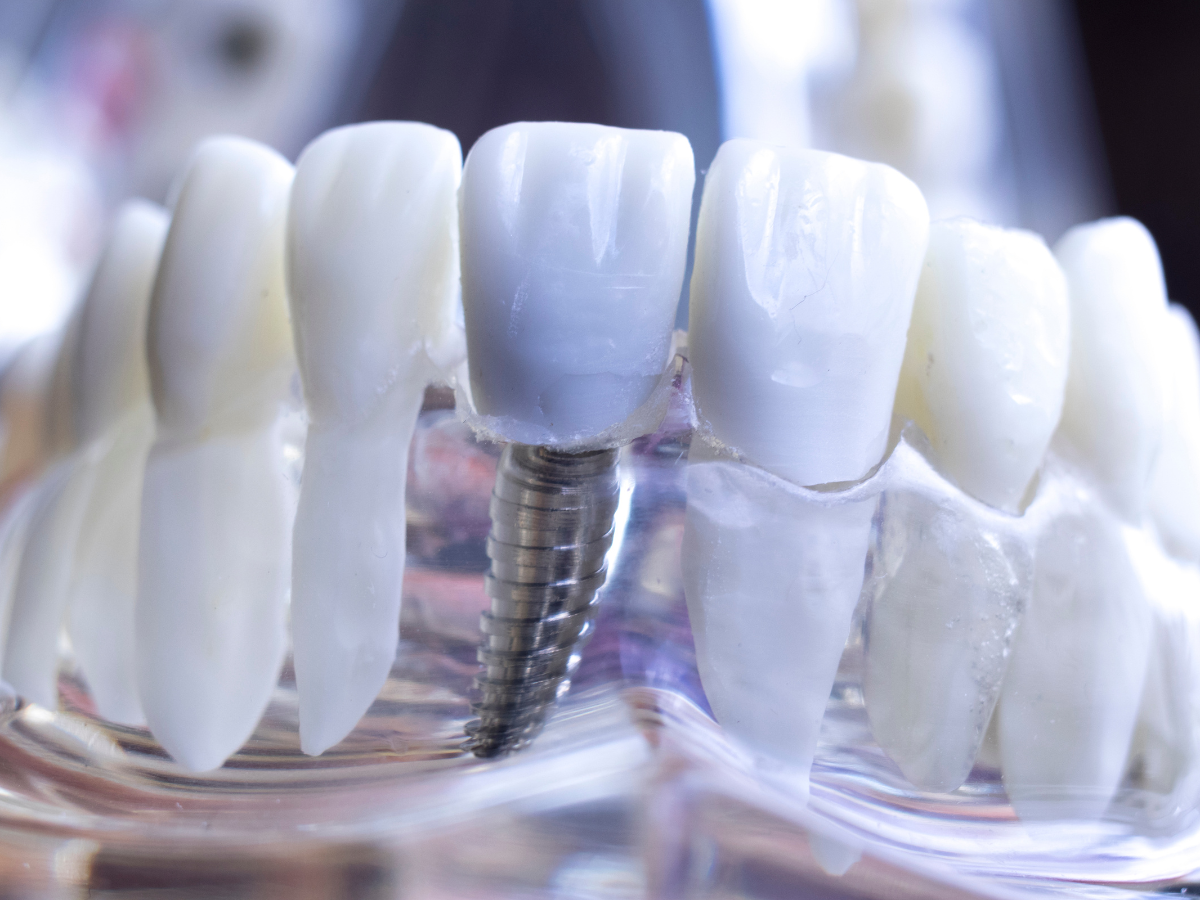
Invisalign Specialist Tips for Faster Treatment Results

August 22, 2025

Expert Invisalign specialist care at Westmount Dental Waterloo helps patients achieve faster, more predictable results with Invisalign treatment.
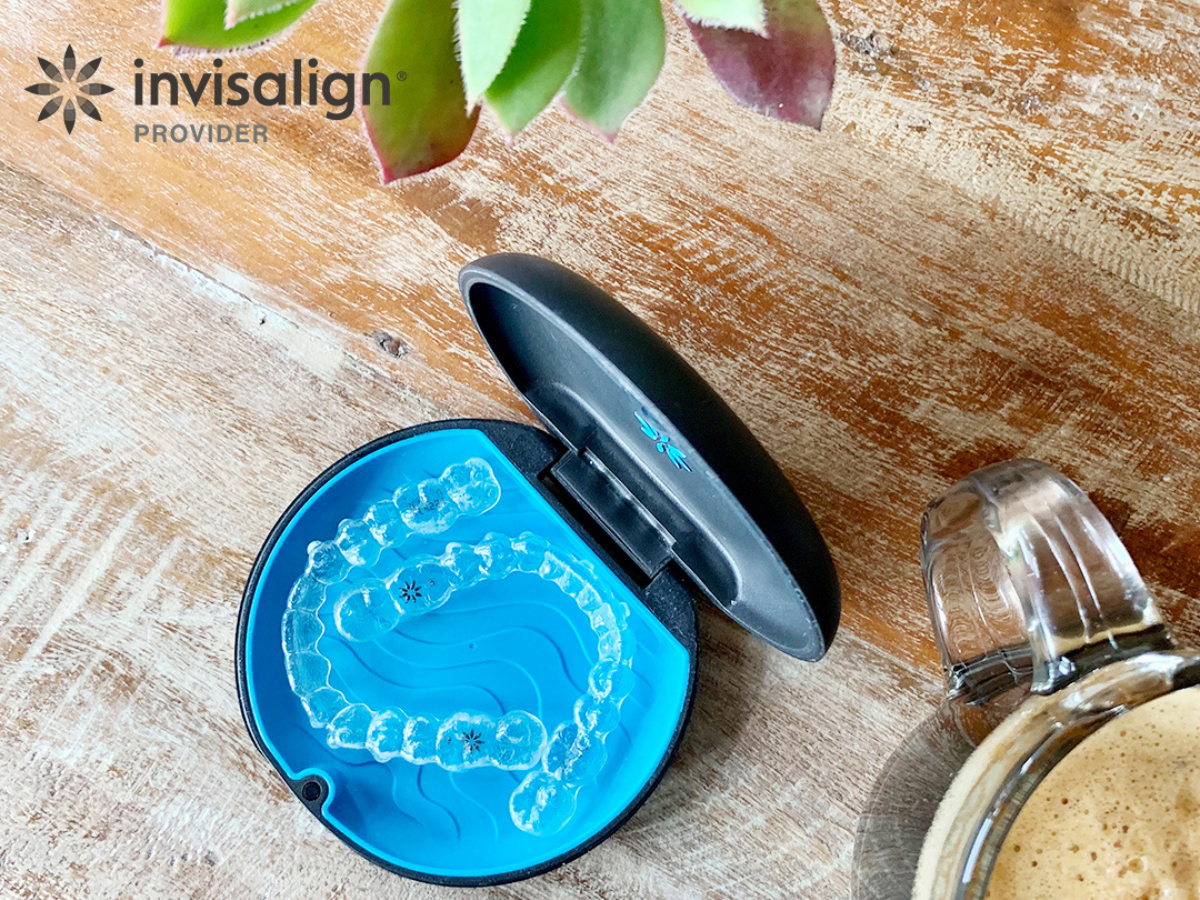
Invisalign specialist treatment protocols and tips at Westmount Dental Waterloo

Achieving optimal results with clear aligner therapy requires more than simply wearing the trays. An experienced Invisalign specialist understands that successful treatment depends on patient compliance, proper maintenance, and following evidence-based protocols. These professional insights can significantly accelerate your treatment timeline while ensuring the best possible outcome for your smile transformation.

Why Your Invisalign Specialist Recommends 20-22 Hour Wear Time

The foundation of successful clear aligner treatment lies in consistent wear time. Research demonstrates that aligners must be worn 20-22 hours daily to achieve predictable tooth movement. This leaves only 2-4 hours for meals, snacks, and oral hygiene routines.

Many patients underestimate the importance of this schedule. However, teeth begin to shift back to their original positions within hours of removing aligners. Therefore, maintaining consistent wear time prevents treatment delays and ensures each aligner moves teeth according to the planned sequence.

Dental professionals typically recommend setting phone reminders for aligner insertion after meals. Additionally, keeping a backup case prevents accidental loss during eating or social situations. Patients who track their wear time using smartphone apps often achieve better compliance rates and faster results.

How an Invisalign Specialist Guides Proper Cleaning Protocols

Proper aligner maintenance directly impacts treatment effectiveness and oral health. An experienced Invisalign specialist provides specific cleaning protocols that prevent bacterial buildup and maintain aligner clarity throughout treatment.

Daily Cleaning Routine

Morning and evening cleaning routines should include gentle brushing with a soft-bristled toothbrush and lukewarm water. Avoid hot water, which can warp the plastic material and compromise fit. Additionally, specialized aligner cleaning crystals or tablets provide deep cleaning without damaging the material.

Furthermore, patients should rinse aligners with cool water before reinsertion after meals. This simple step removes food particles and prevents bacterial accumulation that can lead to tooth decay or gum inflammation.

Storage Best Practices

Proper storage prevents damage and contamination when aligners are removed. Always use the provided case rather than wrapping aligners in napkins or tissues. Moreover, keep the case clean by washing it regularly with antibacterial soap and allowing it to air dry completely.

Dental professionals often recommend having multiple cases available at home, work, and in vehicles. This preparation ensures aligners are always stored safely, reducing the risk of loss or damage that could delay treatment progress.

Dietary Modifications Your Invisalign Specialist Recommends

Nutrition plays a crucial role in orthodontic treatment success. An Invisalign specialist provides specific dietary guidance that supports healthy tooth movement while protecting aligners from damage or staining.

Foods to Avoid During Treatment

Sticky, hard, or extremely hot foods can damage aligners or interfere with tooth movement. Chewing gum, hard candies, and ice should be avoided entirely. Similarly, very hot beverages can warp aligner material, compromising the precise fit required for effective treatment.

Highly pigmented foods and beverages like coffee, red wine, and berries can stain aligners if consumed while wearing them. Therefore, patients should remove aligners before consuming anything other than plain water.

Nutritional Support for Healthy Tooth Movement

Adequate calcium and vitamin D intake supports healthy bone remodeling during orthodontic treatment. Dental professionals often recommend incorporating dairy products, leafy greens, and fortified foods into daily meals. Additionally, vitamin C supports gum health and collagen production, which is essential during tooth movement.

Staying well-hydrated helps maintain healthy saliva production, which naturally cleanses the mouth and supports oral health throughout treatment. Aim for at least eight glasses of water daily, especially important when wearing aligners for extended periods.

Advanced Oral Hygiene Protocols from an Invisalign Specialist

Maintaining excellent oral hygiene becomes even more critical during Invisalign treatment. An Invisalign specialist emphasizes that trapped bacteria between aligners and teeth can lead to cavities, gum disease, and treatment complications.

Enhanced Brushing and Flossing Techniques

Brush teeth thoroughly after every meal before reinserting aligners. This prevents food particles and bacteria from being trapped against teeth for extended periods. Use fluoride toothpaste and spend at least two minutes cleaning all tooth surfaces.

Flossing becomes more important during orthodontic treatment as teeth shift and create new spaces where food can accumulate. Consider using floss threaders or water flossers to clean effectively around attachments and between moving teeth.

Professional Monitoring and Adjustments

Regular checkups with an Invisalign specialist ensure treatment progresses as planned. These appointments typically occur every 6-8 weeks and include progress evaluation, attachment maintenance, and aligner fit assessment.

During these visits, the specialist can identify potential issues early and make necessary adjustments. This proactive approach prevents treatment delays and ensures optimal results within the projected timeline.

What Makes an Invisalign Specialist Different from General Dentists

Understanding the science behind tooth movement helps patients make informed decisions that support treatment success. An Invisalign specialist explains that teeth move through controlled pressure applied over time, requiring consistent force to achieve permanent changes.

Patients who understand this process are more likely to comply with wear schedules and maintenance routines. Additionally, recognizing normal sensations versus concerning symptoms helps patients seek appropriate care when needed.

Specialized training allows these professionals to handle complex cases that require treatment modifications and refinements. This expertise ensures patients receive the most effective treatment approach for their specific orthodontic needs.

Maximizing Results with Professional Invisalign Specialist Care

The combination of patient compliance and professional expertise creates the ideal environment for successful treatment outcomes. Regular monitoring allows for timely adjustments that keep treatment on track and prevent complications.

Professional guidance throughout the treatment process ensures patients understand each phase of their journey. This education empowers patients to take an active role in their treatment success while maintaining realistic expectations about timelines and results.

The team at Westmount Dental Waterloo combines advanced Invisalign expertise with personalized patient education to ensure optimal treatment outcomes. Their comprehensive approach addresses all aspects of clear aligner therapy, from initial planning through retention protocols.

For patients seeking an experienced Invisalign specialist in Waterloo, Westmount Dental Waterloo provides evidence-based treatment protocols and ongoing support throughout the smile transformation journey. Contact them at (519) 578-2720 to schedule a consultation and learn how professional guidance can accelerate your treatment results.
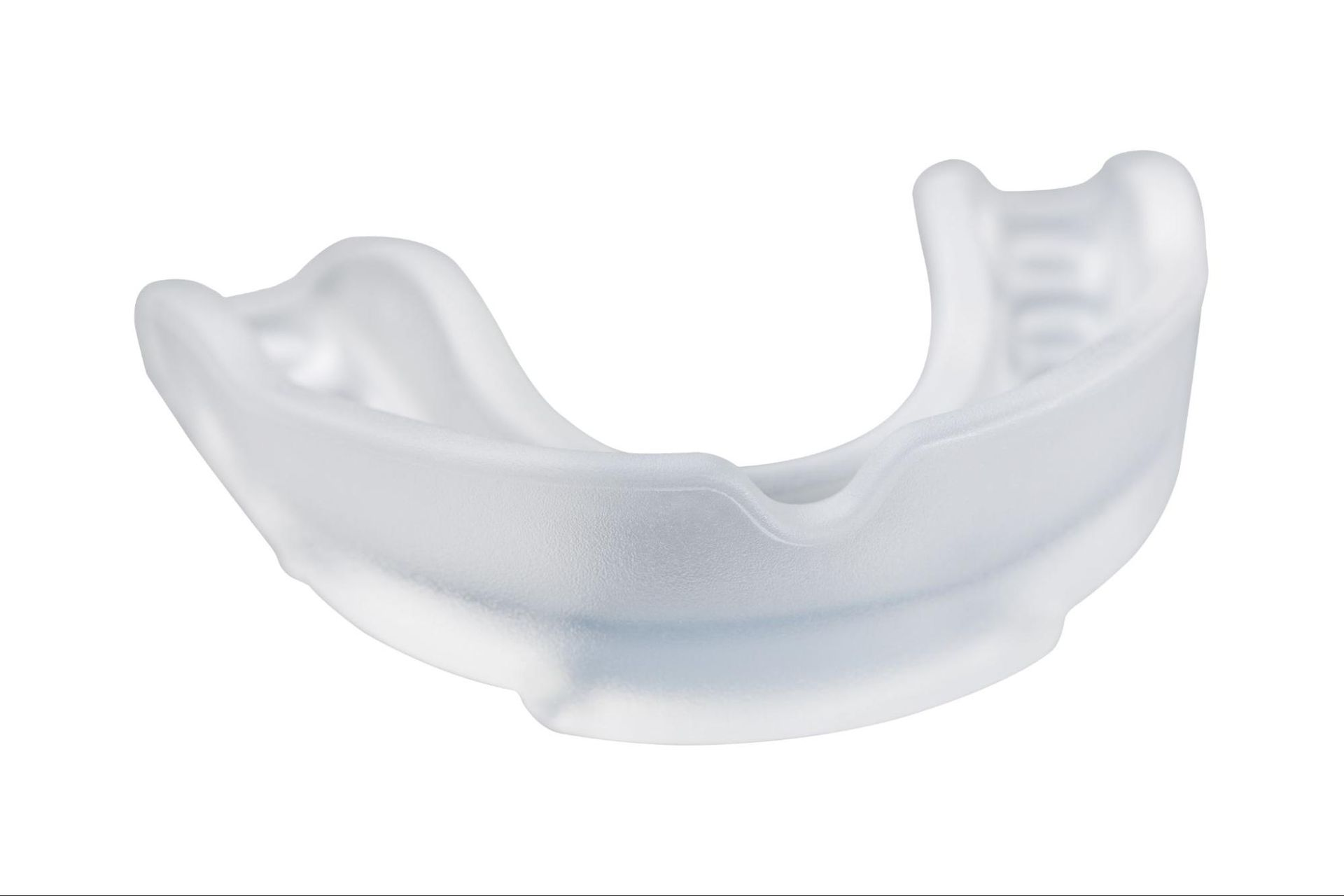


Clear custom night guard designed to protect teeth from grinding during sleep
By Natalia Vitamin D June 30, 2026
Waking up with a sore jaw, frequent headaches, sensitive teeth, or noticing that your teeth seem more worn than they used to be may be signs that it's time to schedule a dental assessment. While these symptoms can have several possible causes, recurring grinding or clenching during sleep is one reason a dentist may recommend discussing whether a night guard for teeth grinding could be appropriate. Many people grind or clench their teeth without realizing it because it often happens during sleep. The good news is that a dental assessment can help determine whether teeth grinding may be contributing to your concerns and whether a night guard is worth considering. What Happens When You Grind or Clench Your Teeth? Teeth grinding, also called clenching or bruxism, places repeated pressure on your teeth, jaw muscles, and surrounding structures. Some people grind only occasionally, while others do it more regularly without realizing it. Because it commonly occurs during sleep, you may not know it's happening until you begin noticing symptoms or your dentist points out signs of wear during an examination.  Grinding or clenching can sometimes contribute to: Flattened or worn teeth. Tooth sensitivity. Small chips or cracks. Morning jaw soreness. Tight facial muscles. Headaches after waking. Increased pressure on existing dental work. It's important to remember that these symptoms don't automatically mean you're grinding your teeth. Headaches, jaw discomfort, and tooth sensitivity can have many different causes. That's why a professional assessment is the best way to determine whether grinding may be contributing to what you're experiencing. Signs It May Be Time to Ask About a Night Guard Since grinding often happens while you're asleep, the signs are sometimes subtle at first. You may want to speak with a dentist if you notice: Jaw stiffness when you wake up. Frequent morning headaches. Teeth that feel unusually sensitive. Visible wear along the edges of your teeth. Small chips that don't seem related to an injury. Tightness in your jaw muscles. Even if these symptoms seem mild, they're worth mentioning during your regular dental visits. Your dentist can look for patterns that may suggest teeth grinding (bruxism) is contributing to changes in your oral health. Some people experience only one symptom, while others notice several developing gradually over time. Because every situation is different, it's best not to assume that occasional jaw discomfort or headaches always mean you need a night guard. Instead, think of these signs as reasons to start a conversation with your dentist rather than reasons to diagnose yourself. How a Custom Night Guard May Help Protect Your Teeth If your dentist determines that nighttime grinding or clenching may be affecting your teeth, one possible recommendation is a custom night guard. A night guard doesn't necessarily stop a person from grinding their teeth. Instead, it may help protect the teeth from some of the forces created during grinding or clenching while also helping reduce wear on the enamel. Because everyone's bite is different, comfort and fit are important considerations. Custom mouth guards for sleep are designed specifically for your teeth, allowing your dentist to evaluate how the appliance fits within your overall treatment plan. Your dentist may also explain: How the night guard should fit. When it should be worn. How to clean and care for it. When it should be checked during future dental visits. Not everyone who grinds their teeth will require exactly the same treatment. In some situations, your dentist may recommend monitoring the condition first or discussing additional factors that could be contributing to your symptoms. A custom night guard is only one part of managing teeth grinding. The most appropriate recommendation depends on your oral health, the amount of tooth wear present, and the findings during your examination. Why a Dental Assessment Matters Before Choosing a Night Guard It can be tempting to buy an over-the-counter night guard as soon as you suspect you're grinding your teeth. While these products are widely available, they aren't necessarily the right solution for every person or every situation. A dental assessment allows your dentist to look beyond the symptoms and determine whether teeth grinding or clenching is actually contributing to your concerns. Jaw discomfort, headaches, tooth sensitivity, and worn teeth can all have multiple possible causes, so it's important not to assume that grinding is always responsible. During an examination, your dentist may look for: Patterns of tooth wear. Small cracks or chips in the enamel. Signs of damage to existing fillings, crowns, or other restorations. Tenderness in the jaw muscles. Changes in your bite. Other oral health concerns that may need attention. Looking at the whole picture helps your dentist recommend care that's appropriate for your individual needs rather than focusing on just one symptom. The assessment is also a good opportunity to talk about your habits and lifestyle. Some people notice themselves clenching their teeth during stressful situations throughout the day, while others only experience grinding during sleep. Sharing any symptoms you've noticed, even if they seem minor, can provide helpful information. If your dentist believes a night guard may be beneficial, they can explain why it's being recommended and what you can realistically expect from wearing one. The discussion should always be personalized rather than based on a one-size-fits-all approach. Frequently Asked Questions About Night Guards for Teeth Grinding How do I know if I grind my teeth at night? Many people aren't aware they grind their teeth because it usually happens while they're asleep. In fact, it's common for a family member or partner to notice the grinding sounds before the person experiencing them does. Some signs that may be worth discussing with a dentist include: Waking with jaw soreness or stiffness. Frequent morning headaches. Teeth that seem more sensitive than usual. Flattened or worn tooth edges. Chipped teeth without a clear injury. Tight facial muscles after waking. These symptoms don't automatically mean you grind your teeth, but they are good reasons to arrange a dental assessment so your dentist can determine whether grinding may be contributing to what you're experiencing. Can a night guard stop teeth grinding? A night guard is generally designed to help protect your teeth from the forces created by grinding or clenching. It shouldn't be viewed as a treatment that necessarily stops the grinding itself. Some people continue to grind while wearing a night guard, but the appliance may help reduce the amount of wear placed on the teeth during sleep. Your dentist can explain how a night guard fits into your overall treatment plan and whether additional recommendations may also be appropriate. Is a custom night guard better than a store-bought option? There isn't one solution that's right for everyone. Store-bought night guards may seem convenient, but they aren't made specifically for your bite. A custom night guard is designed using impressions or digital records of your teeth, allowing it to fit more precisely. Your dentist can determine whether a custom appliance is appropriate after evaluating your oral health, the amount of tooth wear present, and your individual needs. Rather than choosing a product based on convenience alone, it's worth discussing the available options during your dental assessment so you can make an informed decision. Talk to Westmount Dental About Teeth Grinding and Night Guards If you've been waking with jaw tension, headaches, sensitive teeth, or you've noticed changes in the appearance of your teeth, it may be time to have those symptoms evaluated. Even if you're unsure whether you're grinding or clenching during sleep, discussing your concerns with a dentist can help identify possible causes and determine whether further assessment is appropriate. At Westmount Dental in Waterloo, patients can receive personalized evaluations for concerns related to nighttime grinding and clenching. During your visit, your dentist can examine your teeth, review any symptoms you've noticed, and explain whether a night guard or another approach may be worth considering based on your individual oral health. If you're concerned about ongoing grinding, clenching, tooth wear, sensitivity, or jaw discomfort, you can book an appointment with Westmount Dental to discuss your symptoms and receive personalized guidance. While not every person who grinds their teeth will require a night guard, identifying the cause of your symptoms early can help you better understand your oral health and make informed decisions about protecting your smile. A professional assessment gives you the opportunity to ask questions, discuss your concerns, and receive recommendations that are tailored to your specific needs rather than based on assumptions.
May 19, 2026
When most people hear the words "oral surgery," they picture a hospital, a specialist, and a lengthy recovery. In reality, many common surgical procedures happen right in your family dentist's office. They are routine, well-managed, and far less daunting than the words suggest. Knowing what your dental team can handle in-house helps you feel more prepared and less anxious when the need arises. As a trusted family dentist in Waterloo, Westmount Dental has been serving patients across the KW region since 1980. Our team performs a range of minor oral surgery procedures on-site, so patients can receive thorough care in a familiar setting, with a team they already know and trust. Here is a closer look at three of the most common procedures we carry out right here in Waterloo. Wisdom Tooth Extraction: When and Why It Is Needed Wisdom teeth are the last molars to come in, typically appearing between the ages of 17 and 25. Some patients never have trouble with them. For many others, though, these back teeth cause real problems, and your family dentist in Waterloo will often recommend removing them before those problems grow worse. Why Wisdom Teeth Cause Problems Wisdom teeth tend to cause issues because the jaw often does not have enough room to accommodate them. As a result, they may: Grow in at an angle and press against neighbouring teeth Become impacted (meaning they stay stuck below the gumline, fully or partially) Create pockets where food and bacteria collect, leading to infection Cause pain, swelling, or damage to nearby teeth and bone Even when wisdom teeth come in without symptoms, they can be difficult to clean properly and become a source of ongoing decay or gum problems. For this reason, Westmount Dental often recommends removal as a preventive step rather than waiting for complications to develop. What the Procedure Involves Wisdom tooth extraction is an outpatient procedure. Your dentist will take X-rays first to assess the position of the teeth and plan the removal. Local anaesthesia numbs the area completely before any work begins. For impacted teeth, a small incision in the gum tissue gives the dentist access to the tooth, which may be removed in sections for easier extraction. Most patients recover within a few days and return to normal activities quickly. Your dental team provides clear aftercare instructions before you leave the office. Tooth Extractions With Sedation: Prioritizing Your Comfort Not every extraction involves a wisdom tooth. Teeth that are severely decayed, broken below the gumline, or affected by advanced gum disease sometimes cannot be saved. In those cases, removal is the healthiest option for the rest of your mouth. At Westmount Dental, we understand that the idea of having a tooth removed can feel stressful. That is why we offer sedation options alongside local anaesthesia, particularly for patients who experience dental anxiety or require a more involved extraction. Sedation Options at Your Family Dentist in Waterloo Sedation dentistry helps patients relax during procedures without the need for general anaesthesia. Depending on your level of anxiety and the complexity of the extraction, your dental team may recommend: Oral sedation: A pill taken before the appointment that produces a calm, relaxed state. You remain conscious and able to respond, but most patients feel very at ease and have little memory of the procedure afterward. Nitrous oxide (laughing gas): Inhaled through a small mask, nitrous oxide takes effect within minutes. It wears off quickly once the mask is removed, so most patients can drive home soon after. Both options are safe and well-established. Your dentist will review your medical history and the nature of the procedure to help you choose the right approach. The goal is always to make the experience as comfortable as possible, whether it is your first extraction or your fifth. After a tooth is removed, your dental team will also discuss replacement options, such as dental implants or bridges, so you can restore function and appearance once healing is complete. Oral Biopsies: Catching Problems Early A biopsy is a small tissue sample taken from inside the mouth and sent to a lab for analysis. This procedure sounds more alarming than it is. In practice, it is a quick, minor step that provides important information about your oral health. Your family dentist in Waterloo screens for oral abnormalities at every routine exam. If a spot, sore, or patch of tissue looks unusual and does not resolve on its own within a couple of weeks, a biopsy helps determine whether it requires further attention. What Prompts a Biopsy? Common reasons a dentist may recommend a biopsy include: A white or red patch inside the mouth that persists for more than two weeks A sore or ulcer that does not heal on its own A lump or thickening in the soft tissue of the cheek, tongue, or gum A suspicious area identified during an oral cancer screening Most biopsies turn out to be benign. The value of the procedure lies in early detection. Oral cancer, when caught at an early stage, responds much better to treatment than when it is found later. The Canadian Dental Association recommends that patients receive regular oral cancer screenings as part of their routine dental care. What the Procedure Feels Like A small amount of local anaesthesia is applied to the area before any tissue is removed. The sample itself is typically very small. Most patients feel mild soreness at the site for a day or two afterward, which resolves quickly. Results from the laboratory are usually available within one to two weeks. If the results call for further care, your dental team will discuss the next steps and, where needed, connect you with the right specialist. One Trusted Team for a Range of Needs Being able to handle minor oral surgery in your regular dental office has real benefits. You work with a team that knows your history, your health, and your comfort preferences. You save time by avoiding specialist referrals for procedures that your dentist is fully equipped to manage. And you recover with the confidence of knowing your care was thorough from the start. At Westmount Dental, Dr. Israa Al-Ani and Dr. Mustafa Alani bring broad experience to every patient, including those who need oral surgery alongside their regular family dental care. Our office is conveniently located at 225 to 50 Westmount Rd N in Waterloo, with extended hours on Wednesdays until 7 p.m. for patients with busy daytime schedules. If you have questions about wisdom tooth removal, a tooth extraction, or an unusual spot in your mouth, we encourage you to book an appointment. Call Westmount Dental at (519) 578-2720 or reach us at dentalwestmount@gmail.com. Your family dentist in Waterloo is here to help you take the right next step.
dentures consultation at Westmount Dental Waterloo ON
April 15, 2026
Not sure which dentures are right for you? Westmount Dental in Waterloo explains complete vs. immediate dentures, healing timelines, and what to expect.
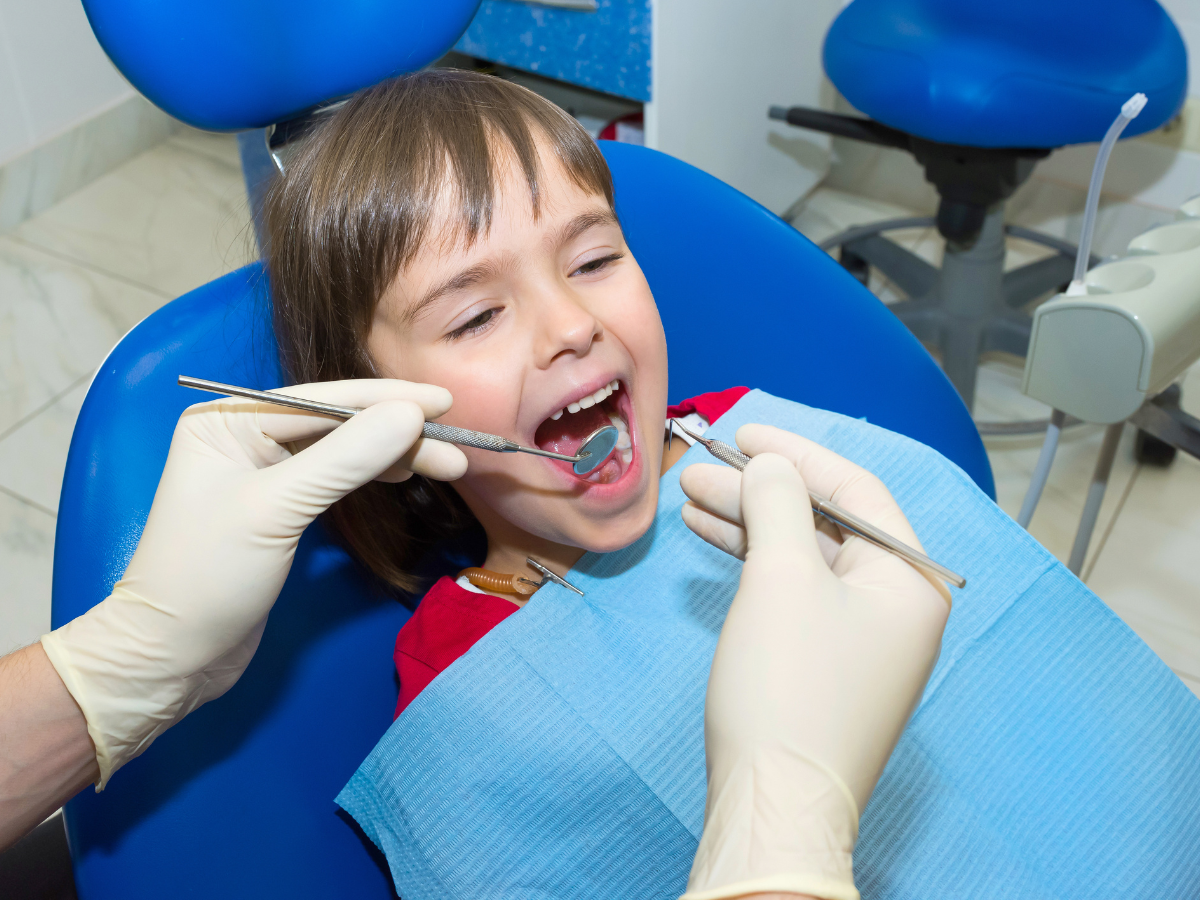
Kids dentist explaining space maintainers and early orthodontics at Westmount Dental Waterloo
By Natalia Vitamin D March 26, 2026
Your kids dentist explains space maintainers, early orthodontics & habit appliances. Westmount Dental Waterloo guides healthy smile development.
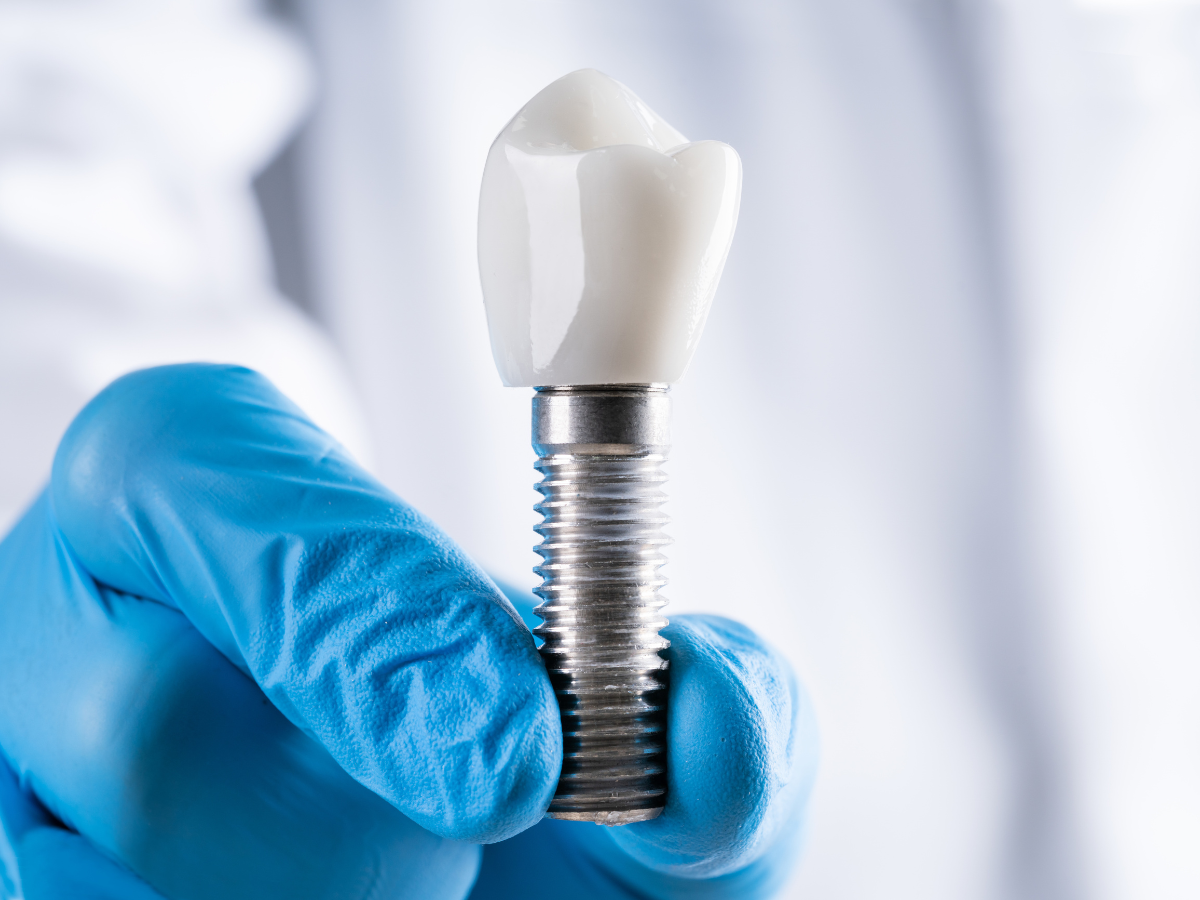
Dental implants candidacy assessment at Westmount Dental Waterloo
February 25, 2026
Are you a good candidate for dental implants? Westmount Dental Waterloo explains bone density, health factors, and what affects your eligibility.
Invisalign specialist consultation and treatment planning at Westmount Dental Waterloo
January 27, 2026
Learn what an Invisalign specialist wants you to know before treatment. Westmount Dental Waterloo covers expectations, requirements & costs.
Family dentist in Waterloo providing specialized senior dental care at Westmount Dental Waterloo
December 2, 2025
Senior dental care from a family dentist in Waterloo. Westmount Dental addresses age-related oral health changes with specialized senior care.
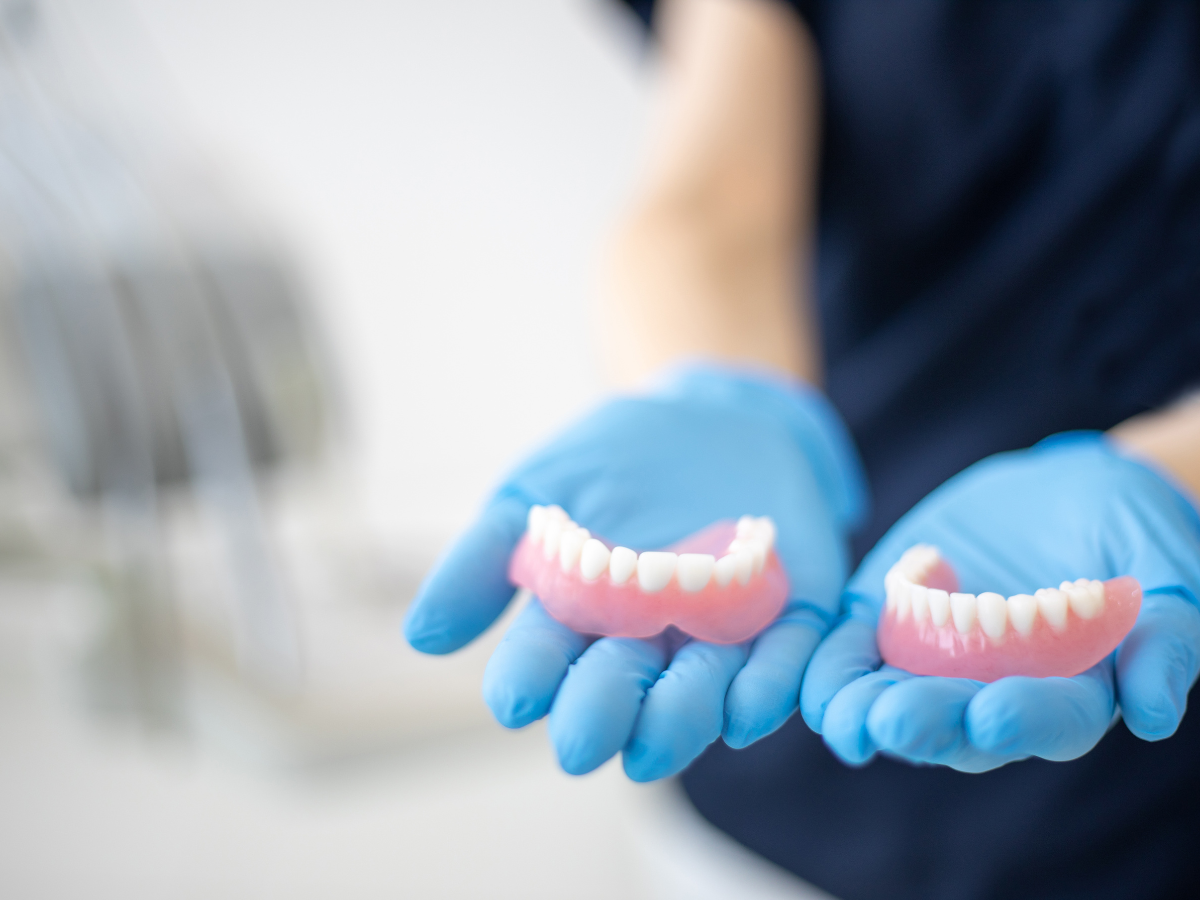
Dentures and partial dentures options explained at Westmount Dental Waterloo
November 23, 2025
Learn about partial dentures for replacing missing teeth. Westmount Dental Waterloo explains types, maintenance, and benefits of dentures for your smile.
Kids dentist creating fun dental experiences at Westmount Dental Waterloo
October 28, 2025
Discover engaging tips from a kids dentist to make dental visits fun. Westmount Dental Waterloo shares techniques for positive pediatric experiences.
Dental implants treatment options comparison at Westmount Dental Waterloo
September 20, 2025
Compare dental implants options: single tooth, All-on-4, bridges. Westmount Dental Waterloo explains treatment choices for your smile needs.