Dentures: Partial Dentures Explained for Missing Teeth
Understanding Your Options for Comfortable, Affordable Tooth Replacement
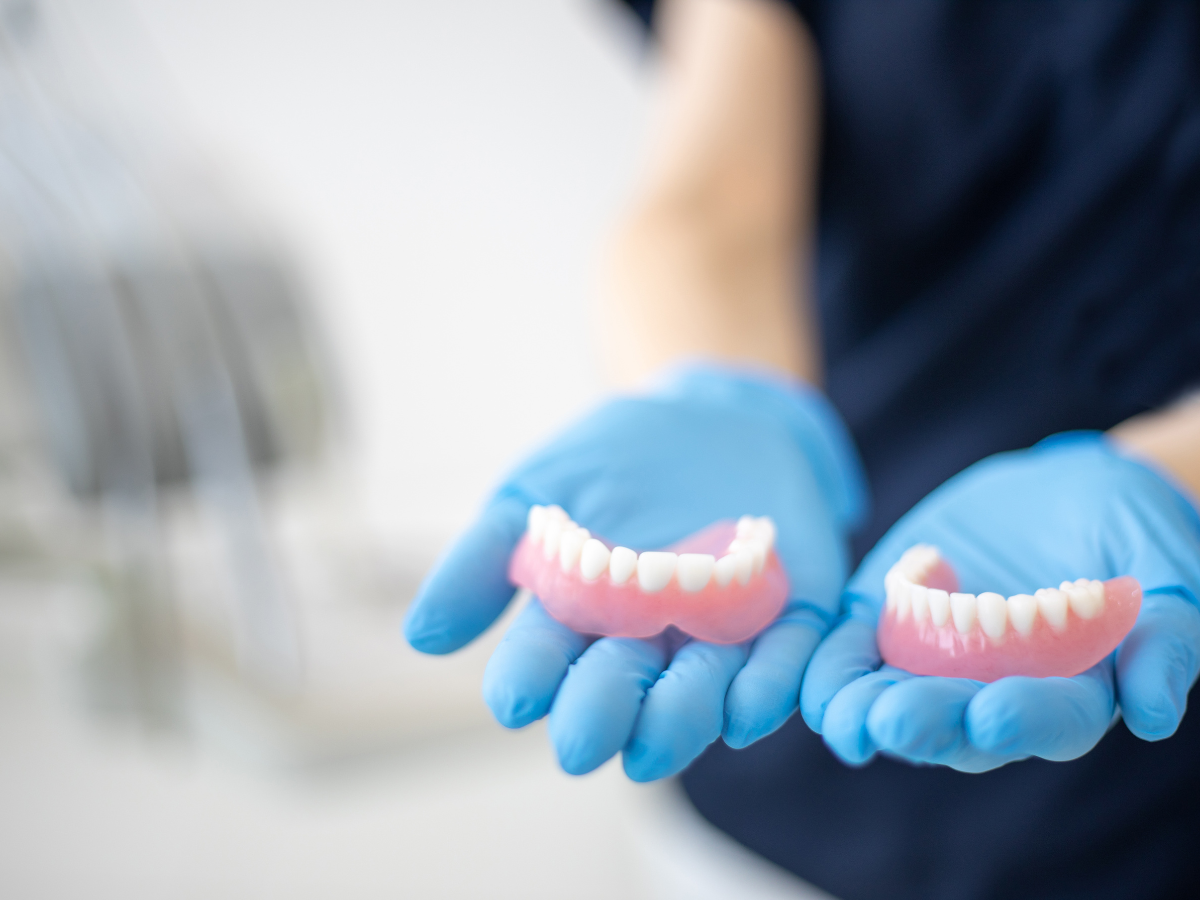
Losing some teeth creates both functional and aesthetic challenges that affect daily life and confidence. Partial dentures offer an effective solution for replacing multiple missing teeth while preserving remaining natural teeth. Understanding the options available, how these appliances work, and proper maintenance requirements helps patients make informed decisions about their oral health restoration needs.
Key Differences Between Partial Dentures and Fixed Bridges
Patients replacing missing teeth have several restoration options to consider. Partial dentures and fixed bridges both restore function and appearance, but they differ significantly in design, placement, and maintenance requirements.
Removable Partial Dentures Features:
• Can be removed daily for cleaning and sleeping
• Replace multiple missing teeth in different areas of the mouth
• Attach to natural teeth using metal or tooth-coloured clasps
• More affordable than fixed bridge options
• Can be adjusted or modified as oral conditions change
• Require periodic replacement every 5-7 years
Fixed Bridge Characteristics:
• Permanently cemented to natural teeth or implants
• Replace one to three adjacent missing teeth
• Require grinding down healthy adjacent teeth for support
• Cannot be removed by the patient
• More expensive initial investment
• Last 10-15 years with proper care
Removable partial dentures offer flexibility and affordability for patients missing multiple teeth in different locations. They provide a non-invasive option that preserves remaining natural teeth without requiring extensive preparation or grinding.
Fixed bridges work well for replacing one or two adjacent teeth when strong natural teeth exist on both sides. However, they require permanent alteration of healthy teeth to serve as anchors for the bridge structure.
How Partial Dentures Work With Your Remaining Natural Teeth
Partial dentures are custom-designed to fit comfortably around existing natural teeth while replacing missing ones. The appliance consists of replacement teeth attached to a gum-coloured base, connected by a metal or flexible framework.
Design Components of Partial Dentures:
• Artificial teeth matched to natural tooth colour and shape
• Acrylic or metal base that mimics gum tissue appearance
• Metal or flexible clasps that grip remaining natural teeth
• Precision rests that distribute chewing forces evenly
• Connectors that join different parts of the framework
• Custom fit based on detailed impressions of the mouth
The clasps attach to natural teeth to hold the partial dentures securely in place during eating and speaking. These attachments are strategically positioned to provide stability without damaging natural teeth or causing discomfort.
Precision rests sit on prepared surfaces of natural teeth to distribute biting forces properly. This design prevents excessive pressure on any single tooth and protects remaining natural teeth from damage during normal function.
The framework connects all components into a single appliance that patients can easily insert and remove. Modern materials allow for lightweight, comfortable designs that feel natural in the mouth after a brief adjustment period.
Types of Partial Dentures Available for Different Needs
Several types of partial dentures exist to meet different patient needs, budgets, and oral health conditions. Each type offers specific advantages depending on individual circumstances.
Cast Metal Partial Dentures:
• Most durable and long-lasting option available
• Thin metal framework provides superior strength
• Less bulky than acrylic alternatives
• Better for chewing efficiency and speech
• Higher initial cost but better long-term value
• Ideal for patients with good remaining natural teeth
Acrylic Partial Dentures:
• More affordable temporary or transitional option
• Thicker, bulkier design than metal frameworks
• Easier to adjust and add teeth if needed
• Often used as immediate dentures after extractions
• Less comfortable for long-term daily wear
• Suitable for patients planning future dental work
Flexible Partial Dentures:
• Made from thermoplastic nylon materials
• No visible metal clasps for better aesthetics
• Comfortable and lightweight for daily wear
• Blend naturally with gum tissue colour
• Cannot be relined or easily repaired
• Best for patients with metal allergies or aesthetic concerns
Essential Maintenance Requirements for Partial Dentures
Proper care extends the lifespan of partial dentures and protects remaining natural teeth from decay and damage. Daily maintenance routines prevent common problems and ensure optimal function.
Daily Care Routine:
• Remove and rinse dentures after every meal
• Brush dentures daily with soft-bristled brush and denture cleaner
• Soak dentures overnight in denture cleaning solution
• Brush remaining natural teeth thoroughly twice daily
• Floss natural teeth to prevent decay and gum disease
• Rinse mouth before reinserting clean dentures
Never use regular toothpaste on partial dentures as abrasive ingredients can scratch the surface. These scratches harbour bacteria and cause staining that affects appearance and hygiene.
Handle dentures carefully over a folded towel or sink filled with water. Dropping them can cause cracks or breaks that compromise fit and function, requiring costly repairs or replacement.
Professional Maintenance Schedule:
• Regular dental checkups every six months minimum
• Professional cleaning of natural teeth and dentures
• Adjustment of clasps and framework as needed
• Evaluation of fit and function over time
• Assessment of remaining natural teeth health
• Reline procedures every 2-3 years for proper fit
How Partial Dentures Prevent Further Tooth Loss
Replacing missing teeth with partial dentures provides important benefits beyond restoring appearance and function. These appliances actively protect remaining natural teeth from damage and loss.
Protective Benefits Include:
• Prevent remaining teeth from shifting into empty spaces
• Distribute chewing forces evenly across all teeth
• Reduce excessive wear on natural teeth from overuse
• Support facial muscles and maintain proper jaw alignment
• Enable proper nutrition through improved chewing ability
• Protect opposing teeth from over-eruption
When teeth are missing, adjacent teeth gradually shift and tilt into the empty spaces. This movement creates bite problems, increases decay risk, and can lead to additional tooth loss over time.
Partial dentures fill these spaces and prevent unwanted tooth movement. They maintain proper spacing and alignment, protecting the long-term health of remaining natural teeth.
Chewing with missing teeth places excessive stress on remaining teeth, causing accelerated wear and potential fractures. Partial dentures restore balanced chewing function and protect natural teeth from damage.
Adjusting to Life With New Partial Dentures
New partial dentures require an adjustment period as patients adapt to wearing the appliance. Understanding what to expect helps patients navigate this transition successfully.
Common Initial Experiences:
• Increased saliva production for first few days
• Slight speech changes that improve with practice
• Mild soreness in areas where clasps contact teeth
• Awareness of appliance presence in the mouth
• Learning proper insertion and removal techniques
• Adjusting to eating with the new appliance
Most patients adapt fully within two to four weeks of receiving their partial dentures. Speaking aloud and reading helps retrain muscles and improve speech clarity during the adjustment period.
Start with soft foods cut into small pieces when learning to eat with new dentures. Gradually introduce firmer foods as confidence and skill increase with practice.
When to Consider Partial Dentures for Your Oral Health
Several situations make partial dentures an appropriate treatment choice for replacing missing teeth. Consulting with dental professionals helps determine if this option suits individual needs.
Ideal Candidates Include:
• Patients missing multiple teeth in different mouth areas
• Individuals seeking affordable tooth replacement options
• People who want removable rather than permanent restorations
• Patients with insufficient bone for dental implants
• Those preferring non-invasive treatment approaches
• Individuals needing immediate tooth replacement after extractions
The team at Westmount Dental Waterloo provides comprehensive consultations to help patients understand their tooth replacement options. Their experienced approach ensures each patient receives personalized recommendations based on their unique oral health needs and lifestyle preferences.
For patients in Waterloo considering partial dentures or other tooth replacement solutions, Westmount Dental Waterloo offers professional care with a focus on restoring both function and confidence. Contact them at (519) 578-2720 to schedule a consultation and explore how dentures can improve your quality of life.