Family Dentist in Waterloo: Senior Dental Care Guide
Expert Solutions for Age-Related Oral Health Changes and Comprehensive Senior Care
Aging brings unique oral health challenges that require specialized attention and understanding from dental professionals. A family dentist in Waterloo who provides comprehensive senior care recognizes these age-related changes and adapts treatment approaches accordingly. Proper dental care for older adults involves addressing specific conditions, coordinating with medical providers, and ensuring accessible, comfortable treatment experiences.
Age-Related Oral Health Changes Your Family Dentist in Waterloo Addresses
Senior patients experience distinct oral health changes that differ significantly from younger adults. A knowledgeable family dentist in Waterloo understands these conditions and provides targeted solutions to maintain optimal oral health throughout the aging process.
Common Age-Related Oral Health Issues:
• Dry mouth (xerostomia) affecting saliva production and protection
• Increased cavity risk, especially root surface decay
• Gum recession exposing sensitive tooth roots
• Tooth wear from decades of chewing and grinding
• Bone loss affecting denture fit and stability
• Oral cancer risk increases with age
Dry Mouth and Medication Effects
Dry mouth represents one of the most common complaints among senior patients. Saliva plays a crucial role in neutralizing acids, washing away food particles, and preventing bacterial growth. Reduced saliva production significantly increases cavity risk and causes discomfort.
Many medications commonly prescribed to seniors cause dry mouth as a side effect. Blood pressure medications, antidepressants, antihistamines, and pain medications all reduce saliva flow. A family dentist in Waterloo reviews medication lists to identify potential oral health impacts.
Treatment strategies for dry mouth include prescription-strength fluoride applications, saliva substitutes, and lifestyle modifications. Sipping water frequently throughout the day helps maintain moisture. Sugar-free gum or lozenges stimulate natural saliva production between meals.
Increased Cavity Risk in Older Adults
Seniors face higher cavity rates than many younger patients, particularly along the gum line and on exposed root surfaces. Root surface cavities develop quickly because root structure lacks the protective enamel covering found on tooth crowns.
Gum recession naturally occurs with age, exposing vulnerable root surfaces to decay-causing bacteria. These areas are harder to clean and more susceptible to cavity formation. Regular professional cleanings and enhanced home care become increasingly important.
Fluoride treatments provide essential protection for senior patients at elevated cavity risk. Professional applications strengthen tooth structure and help remineralize early decay. Daily fluoride rinses offer additional protection between dental visits.
How a Family Dentist in Waterloo Provides Specialized Senior Care
Older adults often face physical and cognitive challenges that require modified dental care approaches. An experienced family dentist in Waterloo adapts treatment protocols to accommodate these special needs while maintaining high-quality care standards.
Mobility Considerations for Senior Patients
Physical limitations can make dental visits challenging for seniors with mobility issues. Wheelchair accessibility, handrails, and barrier-free entrances ensure all patients can access care comfortably and safely.
Dental chairs with easy transfer capabilities help patients move from wheelchairs without difficulty. Staff trained in assisting patients with limited mobility provide support while maintaining patient dignity and independence.
Appointment scheduling accommodates seniors who need extra time for movement or require assistance from caregivers. Longer appointment slots prevent rushing and reduce stress for patients with physical limitations.
Cognitive Changes and Dementia Care
Patients experiencing cognitive decline or dementia require special communication approaches and treatment modifications. A compassionate family dentist in Waterloo uses clear, simple language and provides frequent reassurance throughout appointments.
Familiar routines and consistent staff help patients with memory issues feel more comfortable during visits. Scheduling appointments at times when patients typically feel most alert improves cooperation and reduces anxiety.
Caregiver involvement becomes essential for patients with significant cognitive impairment. Family members or professional caregivers provide important medical history, assist with consent, and help implement home care recommendations.
Pain Management and Comfort Measures
Senior patients may have different pain tolerance levels and medication sensitivities than younger adults. Careful assessment of pain levels and appropriate anesthetic choices ensure comfortable treatment experiences.
Cushions and positioning aids help patients remain comfortable during longer procedures. Frequent breaks allow seniors to stretch, use restroom facilities, or simply rest during extended appointments.
Gentle techniques and patient communication throughout procedures help reduce anxiety and physical discomfort. Explaining each step before proceeding gives patients a sense of control and predictability.
Coordination Between Family Dentist in Waterloo and Medical Providers
Comprehensive senior care requires collaboration between dental and medical professionals. A family dentist in Waterloo who coordinates with physicians ensures safe, effective treatment that considers all aspects of patient health.
Medical History Review and Updates
Thorough medical history reviews at each appointment identify conditions that impact dental treatment planning. Heart conditions, diabetes, osteoporosis, and blood disorders all require special considerations during dental procedures.
Medication lists must be current and complete to prevent dangerous drug interactions or complications. Anticoagulants, bisphosphonates, and immunosuppressants particularly affect dental treatment protocols and healing processes.
Recent hospitalizations, surgeries, or changes in health status require communication with medical providers before proceeding with dental treatment. This coordination ensures patient safety and optimal outcomes.
Antibiotic Prophylaxis Considerations
Some seniors with heart conditions or joint replacements require antibiotic prophylaxis before dental procedures. Current medical guidelines help determine which patients need preventive antibiotics and appropriate medication choices.
Communication with cardiologists or orthopedic surgeons confirms prophylaxis requirements for individual patients. Written protocols from medical specialists guide dental treatment decisions and timing.
Proper antibiotic timing ensures adequate blood levels during procedures while avoiding unnecessary antibiotic use. This balanced approach protects patients while supporting antibiotic stewardship efforts.
Managing Chronic Conditions During Dental Treatment
Diabetes management affects healing and infection risk following dental procedures. Blood sugar monitoring and coordination with endocrinologists help optimize treatment timing and outcomes for diabetic seniors.
Patients taking blood thinners require careful planning for procedures involving bleeding risk. Consultation with prescribing physicians determines whether medication adjustments are necessary or if procedures can proceed safely with medications continued.
Osteoporosis medications, particularly bisphosphonates, affect jawbone healing and require modified treatment approaches. Understanding medication history and duration helps assess risk levels for bone-related complications.
Preventive Care Strategies for Senior Oral Health
Prevention remains the foundation of senior dental care, helping older adults maintain natural teeth and avoid complex treatments. A proactive family dentist in Waterloo emphasizes preventive strategies tailored to senior needs.
Professional Cleaning Frequency
Many seniors benefit from more frequent professional cleanings than the standard six-month interval. Quarterly cleanings help manage increased cavity risk, gum disease, and plaque accumulation related to dry mouth.
Professional fluoride applications at each cleaning visit provide ongoing protection against root surface decay. These treatments are particularly important for seniors with multiple risk factors.
Early detection of problems during frequent visits allows for conservative treatment before conditions progress. Small cavities can be treated simply, while advanced decay may require more extensive procedures.
Home Care Adaptations
Arthritis and reduced dexterity make traditional brushing and flossing difficult for many seniors. Electric toothbrushes with larger handles provide easier grip and more effective cleaning with less manual effort.
Floss holders, interdental brushes, and water flossers offer alternatives for patients who struggle with traditional flossing. These adaptive devices help maintain proper cleaning between teeth despite physical limitations.
Caregiver training ensures proper home care for seniors unable to manage oral hygiene independently. Clear instructions and demonstrations help family members or professional caregivers provide effective daily care.
Nutritional Counseling for Oral Health
Dietary choices significantly impact senior oral health, particularly for patients with dry mouth or swallowing difficulties. Nutritional counseling addresses both general health and specific oral health needs.
Avoiding sticky, sugary foods reduces cavity risk, especially important for seniors with compromised saliva protection. Choosing tooth-friendly snacks and beverages supports oral health between meals.
Adequate hydration helps manage dry mouth symptoms and supports overall health. Water remains the best beverage choice for maintaining oral moisture and rinsing away food particles.
Denture Care and Maintenance for Senior Patients
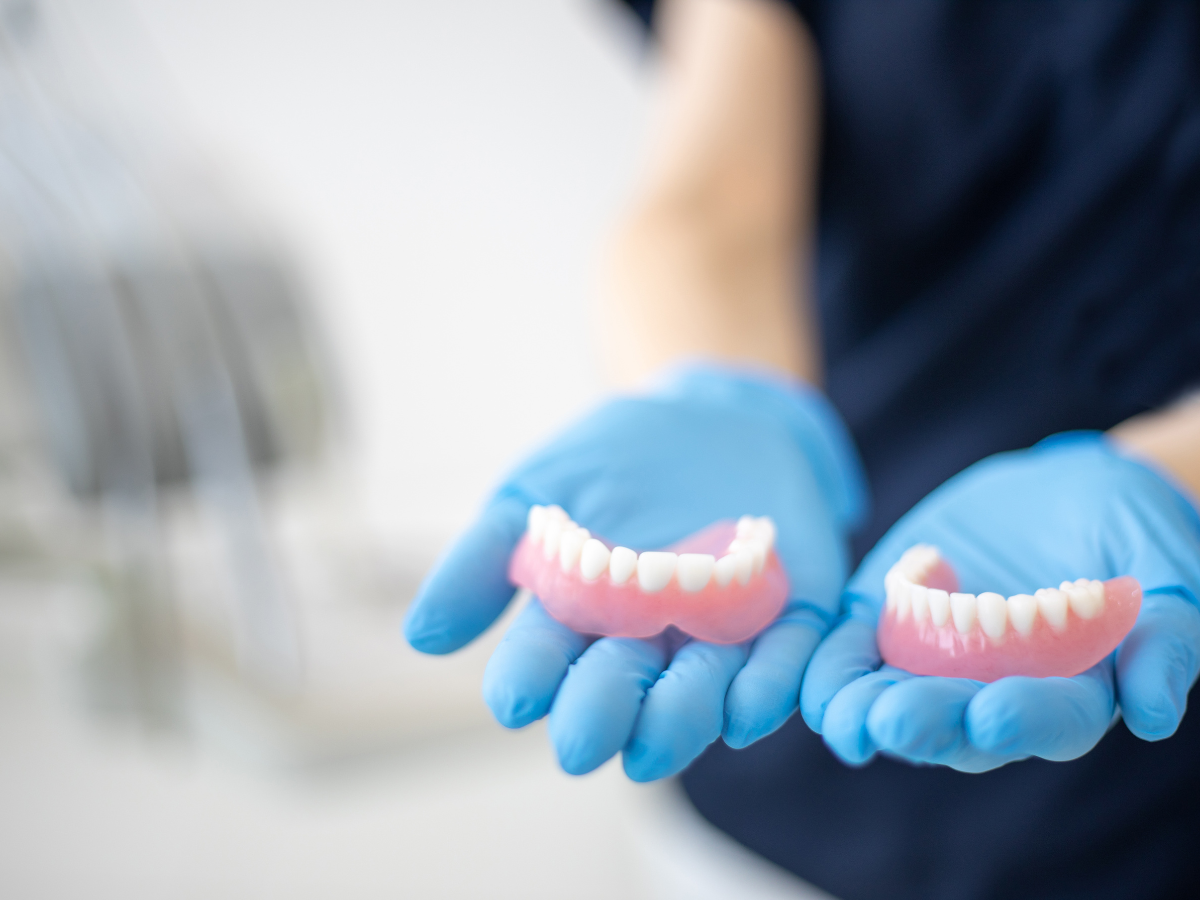
Many seniors wear full or partial dentures that require proper care and regular professional maintenance. A family dentist in Waterloo provides comprehensive denture services and education for optimal function and comfort.
Regular Denture Adjustments
Jawbone changes continue throughout life, affecting denture fit over time. Annual evaluations identify fit problems before they cause sores, difficulty eating, or speaking challenges.
Reline procedures restore proper denture fit as bone contours change. These adjustments improve comfort, function, and help prevent accelerated bone loss from poorly fitting appliances.
Damaged or worn dentures require repair or replacement to maintain proper function. Cracks, broken teeth, or worn surfaces affect chewing ability and facial appearance.
Oral Tissue Health Monitoring
Regular examination of tissues under dentures detects irritation, sores, or suspicious lesions early. Oral cancer screening remains important for all seniors, including denture wearers.
Proper denture hygiene prevents fungal infections and tissue inflammation. Daily cleaning and overnight soaking in appropriate solutions maintain both denture and tissue health.
Removing dentures for several hours daily allows tissues to rest and recover from constant pressure. This practice promotes healthy tissue and prevents chronic irritation.
Emergency Dental Care for Senior Patients
Dental emergencies require prompt attention regardless of patient age. A family dentist in Waterloo provides accessible emergency care with special considerations for senior patients and their unique needs.
Common Senior Dental Emergencies:
• Broken or lost fillings exposing sensitive tooth structure
• Fractured teeth from weakened tooth structure
• Denture breakage affecting eating and speaking ability
• Severe toothache indicating infection or abscess
• Soft tissue injuries from falls or accidents
• Loose teeth from advanced gum disease
Same-day emergency appointments accommodate urgent situations and prevent complications. Clear communication about symptoms helps dental teams prepare appropriate treatment and ensure necessary equipment availability.
Transportation assistance or flexible scheduling helps seniors access emergency care despite mobility limitations. Coordination with family members or caregivers ensures patients receive timely treatment.
The team at Westmount Dental Waterloo specializes in comprehensive senior dental care with a focus on comfort, accessibility, and coordinated health management. Their experienced approach addresses the unique challenges aging patients face while maintaining the highest standards of professional care.
For seniors and their families in Waterloo seeking a compassionate family dentist in Waterloo who understands aging oral health needs, Westmount Dental Waterloo provides specialized care in a welcoming, accessible environment. Contact them at (519) 578-2720 to schedule a senior dental care consultation and discover how professional coordination can support lifelong oral health.