Invisalign Specialist: What to Know Before Treatment
Essential Information About Treatment Expectations, Requirements, and Investment
Starting clear aligner treatment represents a significant commitment to improving your smile and oral health. An experienced Invisalign specialist understands that informed patients achieve better results and higher satisfaction with their treatment outcomes. Understanding realistic timelines, pre-treatment requirements, and financial considerations helps patients prepare properly for their orthodontic journey.
Realistic Treatment Duration Expectations from Your Invisalign Specialist
Treatment length varies significantly based on individual orthodontic needs and patient compliance. An honest Invisalign specialist provides accurate timeline estimates during the initial consultation based on comprehensive assessment and treatment planning.
Typical Treatment Timelines:
• Minor crowding or spacing: 6-12 months
• Moderate alignment issues: 12-18 months
• Complex cases with bite correction: 18-24 months
• Refinement periods: 2-6 additional months if needed
• Retention phase: Lifelong to maintain results
Several factors influence how quickly teeth move into their desired positions. Age, bone density, severity of misalignment, and individual biological response all affect treatment duration. Younger patients often experience faster tooth movement than older adults.
The complexity of orthodontic issues directly impacts treatment length. Simple spacing corrections require fewer aligners and shorter treatment times. Complex cases involving bite correction, rotations, or significant crowding need more extensive treatment plans.
The Critical Importance of 20-22 Hour Daily Wear
Compliance with wear time recommendations represents the single most important factor in treatment success. An experienced Invisalign specialist emphasizes that aligners must be worn 20-22 hours daily to achieve predicted results within estimated timelines.
Teeth begin shifting back toward their original positions within hours of removing aligners. Insufficient wear time prevents proper tooth movement and extends treatment duration significantly. Patients who consistently wear aligners as directed complete treatment on schedule.
The remaining 2-4 hours daily allow for meals, snacks, and oral hygiene routines. Aligners must be removed before eating or drinking anything except plain water. This schedule requires planning and commitment to maintain proper wear time.
Tracking wear time helps patients stay accountable to their treatment goals. Smartphone apps, alarms, and written logs remind patients to reinsert aligners after meals. Many patients find that establishing consistent routines makes compliance easier over time.
What Happens When Wear Time Is Insufficient
Skipping even a few hours daily can compromise treatment progress and outcomes. Teeth that don't move according to the treatment plan may not fit properly into subsequent aligners. This mismatch causes discomfort and requires additional aligners to correct.
Extended treatment timelines result from inconsistent wear patterns. Patients who frequently remove aligners for extended periods may need months of additional treatment. Some cases require complete treatment plan revisions with new impressions and aligner sets.
An Invisalign specialist monitors progress at regular checkup appointments to identify compliance issues early. Open communication about challenges helps dental professionals provide solutions and support for maintaining proper wear schedules.
Pre-Treatment Requirements Your Invisalign Specialist Addresses First
Optimal oral health forms the foundation for successful orthodontic treatment. A thorough Invisalign specialist completes necessary dental work before beginning aligner therapy to prevent complications and ensure the best possible outcomes.
Essential Dental Cleanings Before Treatment
Professional dental cleanings remove plaque and tartar buildup that can trap bacteria under aligners. Starting treatment with clean teeth reduces the risk of cavities and gum disease during orthodontic therapy.
Gum health assessment identifies inflammation or periodontal disease requiring treatment. Active gum disease must be resolved before beginning Invisalign treatment. Moving teeth through inflamed or infected gum tissue can worsen periodontal conditions and compromise results.
Baseline dental examinations document existing conditions and establish oral health status. Detailed records help track changes throughout treatment and identify any new issues that develop during the orthodontic process.
Cavity Treatment and Restorative Work
All cavities require filling before starting Invisalign treatment. Untreated decay worsens rapidly when bacteria become trapped between teeth and aligners. Addressing cavities first prevents painful complications during orthodontic therapy.
Existing dental work may need evaluation or replacement before treatment begins. Worn fillings, loose crowns, or damaged restorations should be repaired or replaced. These procedures ensure teeth can withstand orthodontic forces without complications.
Some patients require tooth extractions to create adequate space for alignment. An Invisalign specialist determines whether extractions are necessary during treatment planning. Healing time after extractions delays the start of aligner therapy by several weeks.
Gum Health Optimization Protocols
Patients with mild gum inflammation benefit from improved home care before treatment. Enhanced brushing and flossing techniques combined with professional cleanings can resolve minor gum issues within weeks.
Moderate to severe gum disease requires periodontal therapy before orthodontic treatment. Scaling and root planing procedures remove bacteria from below the gum line. Healing periods of several months may be necessary before beginning Invisalign treatment.
Ongoing gum health maintenance remains essential throughout orthodontic therapy. Regular professional cleanings every three to six months help maintain healthy gums during treatment. Patients must commit to excellent home care to prevent gum problems.
What to Expect During Your Invisalign Specialist Consultation
The initial consultation provides essential information and allows patients to ask questions about treatment. A comprehensive Invisalign specialist conducts thorough examinations and uses advanced technology to create accurate treatment predictions.
Comprehensive Oral Examination
Digital imaging and 3D scans capture precise tooth positions and jaw relationships. These technologies eliminate the need for messy traditional impressions while providing superior accuracy for treatment planning.
Bite analysis evaluates how upper and lower teeth come together. Identifying bite problems helps the Invisalign specialist plan corrections that improve both function and appearance.
Facial photographs document the starting point and help visualize potential outcomes. These images become valuable references throughout treatment for tracking progress and making adjustments.
Treatment Planning and Visualization
Computer software creates virtual treatment simulations showing predicted tooth movement. Patients can see their projected final results before committing to treatment. This visualization helps set realistic expectations and builds excitement about outcomes.
Treatment timelines and aligner quantities are determined during the planning phase. Understanding the scope of treatment helps patients prepare mentally and financially for the commitment ahead.
Discussion of potential challenges or limitations ensures patients have realistic expectations. Some orthodontic issues may require additional procedures or alternative treatments for optimal results.
Preparing for Success With Your Invisalign Specialist
Mental preparation and lifestyle adjustments support successful treatment outcomes. Patients who understand the commitment and plan accordingly achieve better results and higher satisfaction with their Invisalign experience.
Lifestyle Adjustments to Consider
Meal planning becomes more important when aligners must be removed for eating. Patients often reduce snacking frequency to minimize aligner removal and maintain proper wear time. This change can have positive effects on both oral health and overall wellness.
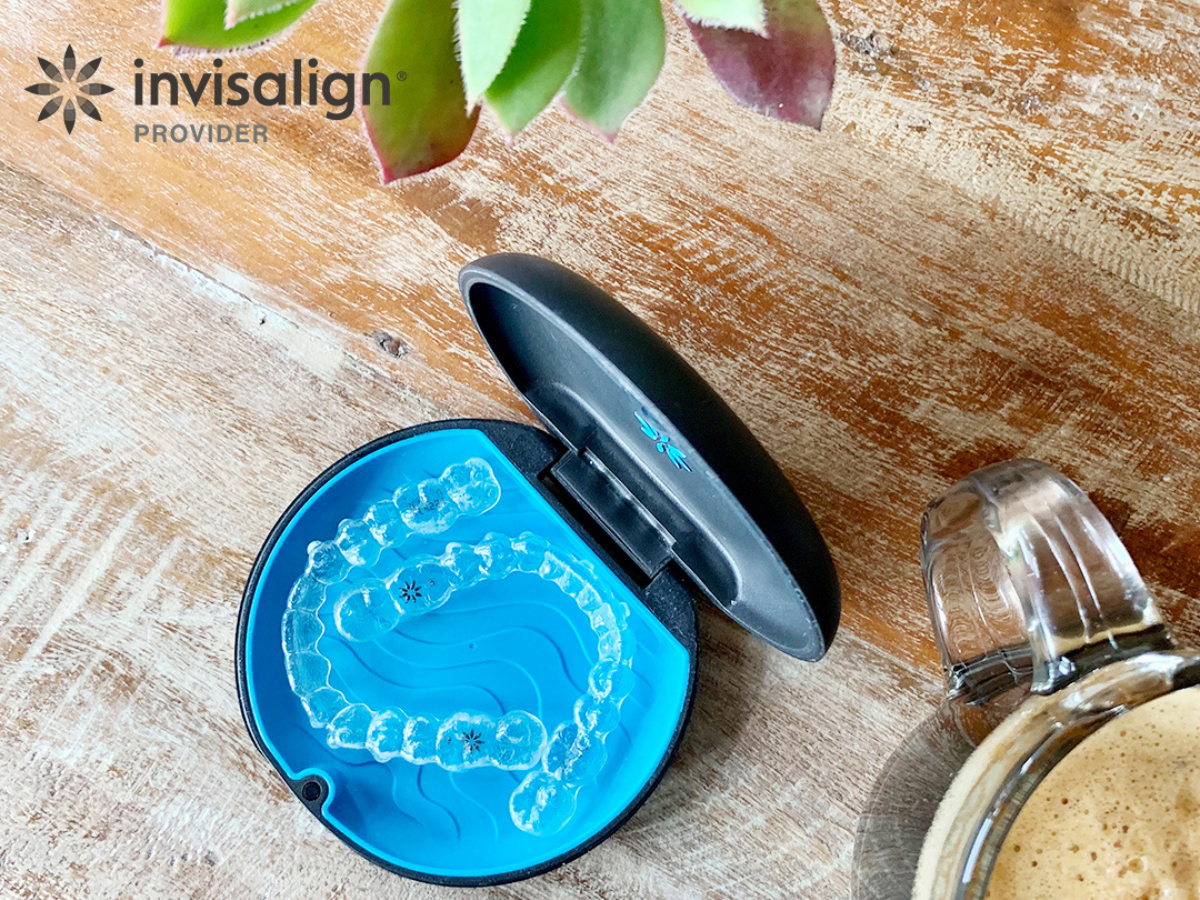
Social situations require discretion when removing aligners before meals. Most patients quickly develop comfortable routines for managing aligners in public settings. Carrying a small case prevents loss or damage when aligners are removed.
Speech may be slightly affected during the first few days of wearing new aligners. Most patients adapt quickly and any minor lisping disappears within a week. Practicing speaking aloud helps accelerate the adjustment period.
Building Support Systems
Sharing treatment goals with family and friends creates accountability and encouragement. Support from loved ones helps patients stay motivated during challenging phases of treatment.
Connecting with other Invisalign patients provides valuable insights and encouragement. Online communities and social media groups offer spaces to share experiences and tips for success.
The team at Westmount Dental Waterloo provides comprehensive Invisalign consultations with detailed information about treatment expectations, requirements, and investment. Their experienced approach ensures patients feel confident and prepared before beginning their smile transformation journey.
For patients in Waterloo considering clear aligner treatment, an experienced Invisalign specialist at Westmount Dental Waterloo offers professional care with transparent communication about all aspects of treatment. Contact them at (519) 578-2720 to schedule a consultation and discover how proper preparation leads to outstanding orthodontic results.