Dental Implants: Are You a Good Candidate?
Dental implants are one of the most effective long-term solutions for replacing missing teeth. They look natural, function like real teeth, and can last decades with proper care. But not everyone is ready for implant treatment right away. As a dentist, one of the most common questions I hear is simple: am I a good candidate? The honest answer is that it depends on several factors. This guide walks you through the key ones so you can come to your consultation at Westmount Dental Waterloo prepared.
What Makes Someone a Strong Candidate for Dental Implants?
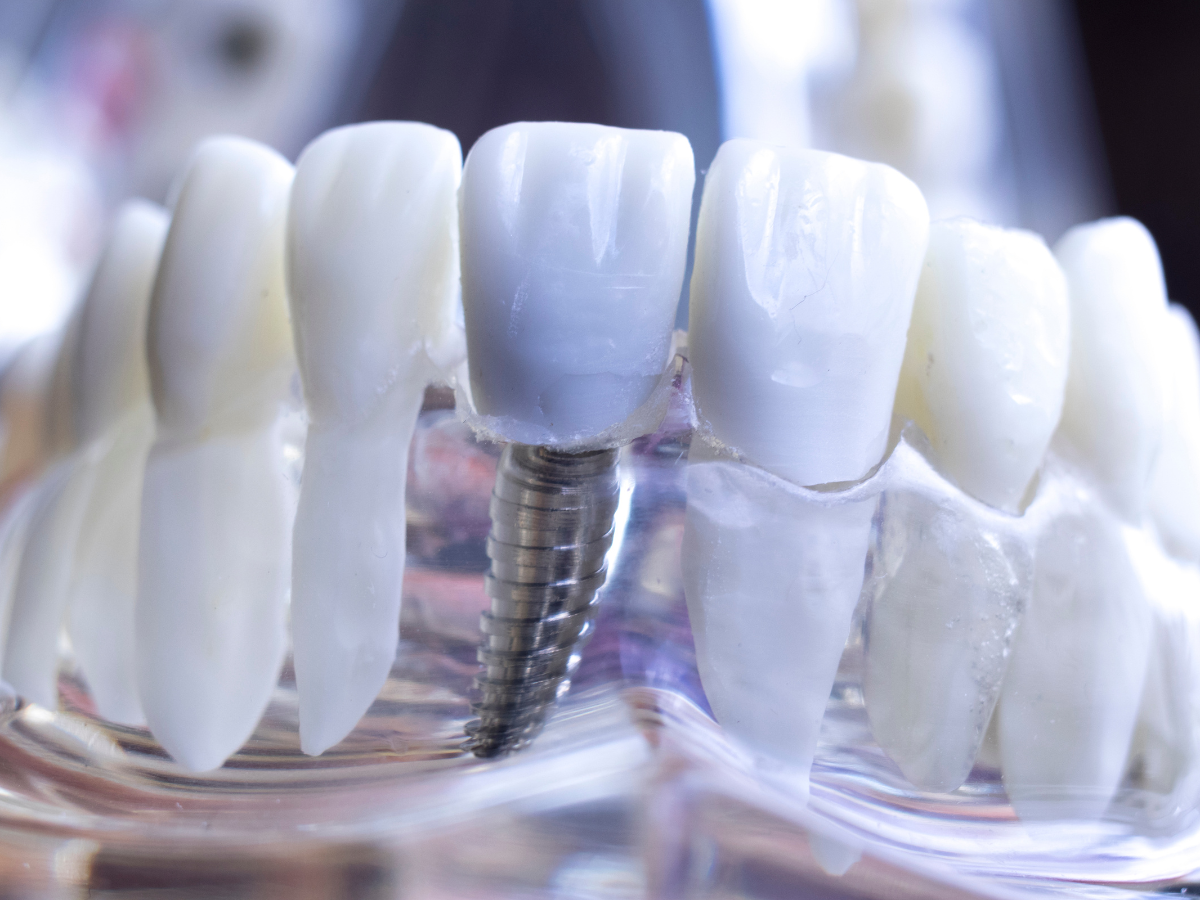
Dental implants work by placing a small titanium post into the jawbone. Over time, the bone fuses to the post in a process called osseointegration. This creates a stable foundation for a crown, bridge, or denture. For this to succeed, certain conditions need to be in place.
The strongest candidates typically share these qualities:
- Adequate jawbone density and volume
- Good overall health with no uncontrolled systemic conditions
- Healthy gums with no active periodontal disease
- Non-smoker or willingness to quit before and during treatment
- Realistic expectations and commitment to aftercare
If you meet most of these criteria, there is a good chance dental implants are a suitable option for you. If some factors are a concern, that does not necessarily rule out treatment. It may simply mean additional steps are needed first.
Bone Density: The Foundation of Implant Success
Bone density is one of the most critical factors in determining whether dental implants will succeed. The implant post needs enough bone to anchor securely. Without sufficient volume or density, the bone cannot integrate with the implant properly.
When a tooth is lost, the surrounding bone begins to shrink. This process, called bone resorption, starts quickly and continues over time. The longer a tooth has been missing, the more bone loss may have occurred. This is one reason early treatment tends to produce better outcomes.
At your consultation, dental X-rays or a cone beam CT scan will be used to assess your bone structure. These images give a precise picture of bone height, width, and quality. If the scan reveals insufficient bone, a bone graft may be recommended before implant placement. Bone grafting involves adding bone material to the area to rebuild volume. It is a well-established procedure, though it does extend the overall treatment timeline.
Conditions like osteoporosis can also affect bone density. This does not automatically disqualify you from treatment, but it is something your dental team needs to know. The assessment at Westmount Dental Waterloo will take your full bone health picture into account.
Medical Conditions That Can Affect Implant Integration
Your overall health plays a significant role in how well your body heals after implant surgery. Certain medical conditions can slow healing or interfere with osseointegration.
Conditions That Require Extra Evaluation
Diabetes: Uncontrolled diabetes impairs wound healing and increases infection risk. However, patients with well-managed blood sugar levels often achieve successful implant outcomes. Your dental team will want confirmation from your physician before proceeding.
Autoimmune conditions: Conditions like rheumatoid arthritis or lupus can affect how the body responds to implant placement. Treatment is not necessarily off the table, but careful evaluation is needed.
Cancer history: Patients who have undergone radiation therapy to the head or neck area may have compromised bone and tissue healing. Each case is assessed individually.
Heart conditions: Most cardiac patients can safely receive dental implants. However, your dental team will review your medications and may coordinate with your cardiologist before treatment.
Osteoporosis: As mentioned above, bone density is a concern. Medications used to treat osteoporosis (specifically bisphosphonates) can also affect bone healing and require discussion before any oral surgery.
Medications to Discuss With Your Dentist
Some medications can interfere with healing or bone integration. These include:
- Bisphosphonates (used for osteoporosis and some cancers)
- Blood thinners like warfarin or newer anticoagulants
- Immunosuppressants
- Long-term corticosteroids
- Some antidepressants (emerging research suggests a possible link to implant failure)
Bring a complete list of your current medications to your consultation. This information helps your dental team plan treatment safely and reduce risk.
Age Considerations: Who Is Too Young or Too Old?
Dental implants are generally not recommended for patients whose jaws are still developing. In most cases, this means waiting until the late teens or early twenties. For young patients, placing an implant before the jaw has finished growing can lead to misalignment as the surrounding bone continues to change.
There is no upper age limit for dental implants. Many patients in their sixties, seventies, and beyond receive implants successfully. The focus is not on age itself but on overall health and bone quality. An active, healthy seventy-year-old with good bone density may be an excellent candidate. A younger patient with poorly managed health conditions may require more preparation.
At Westmount Dental Waterloo, we assess each patient individually. Age is one piece of the picture, not the deciding factor.
Lifestyle Factors That Influence Candidacy
Your daily habits have a real impact on implant success. Some lifestyle factors are within your control, and making changes before treatment can meaningfully improve your outcomes.
Smoking and Tobacco Use
Smoking is one of the most significant risk factors for implant failure. It reduces blood flow to the gums, slows healing, and increases the risk of infection around the implant site. Research published in the International Journal of Oral and Maxillofacial Implants has consistently shown higher failure rates in smokers compared to non-smokers.
Quitting smoking before treatment begins improves healing significantly. Your dental team can support you with resources and may recommend a cessation period before scheduling surgery.
Oral Hygiene Habits
Implants cannot get cavities, but the gum tissue and bone around them can still be affected by bacteria. Peri-implantitis is an inflammatory condition around an implant that behaves similarly to gum disease. It is one of the leading causes of late implant failure.
Patients who maintain consistent brushing, flossing, and professional cleaning habits are far more likely to achieve long-term success with dental implants.
Teeth Grinding (Bruxism)
Heavy grinding or clenching places excessive force on implants and crowns. Over time, this can loosen components or cause mechanical failure. If you grind your teeth, a custom night guard is often recommended as part of your overall treatment plan.
Alcohol Consumption
Heavy alcohol use can interfere with healing and increase bleeding risk after surgery. Moderate or occasional consumption is generally not a concern, but heavy use should be disclosed during your consultation.
Active Gum Disease Must Be Treated First
Periodontal disease is a firm barrier to starting implant treatment. Active infection in the gum tissue or bone can spread to the implant site and cause failure. Before dental implants are placed, any existing gum disease must be fully treated and brought under control.
This is not a roadblock. It is simply a sequencing issue. Many patients complete gum treatment and then move forward with implants successfully. Your dental team will guide you through each step.
What to Expect at Your Implant Consultation
At Westmount Dental Waterloo, the consultation process is thorough and unhurried. We take digital X-rays or a 3D cone beam scan, review your medical history, and discuss your goals. We also examine your gum health and remaining teeth.
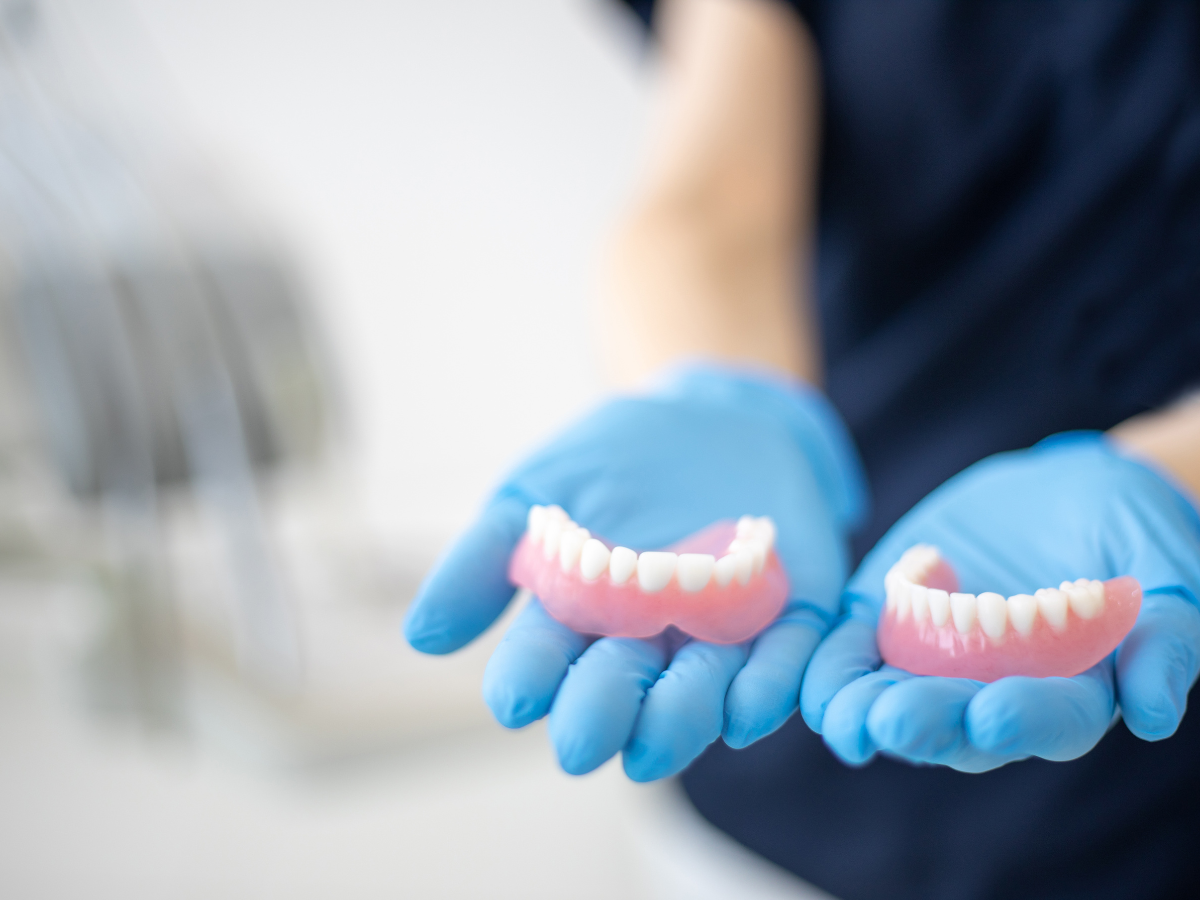
From there, we walk you through whether dental implants are appropriate for you right now, whether preparatory treatment is needed first, or whether an alternative like an implant-supported bridge or denture may be a better fit.
The goal is never to push treatment. It is to give you an honest, complete picture so you can make a confident decision.
Next Steps: Book Your Consultation in Waterloo
If you are considering dental implants, the best starting point is a consultation with a dental team that takes the time to evaluate your individual situation. Westmount Dental Waterloo, located at 225-50 Westmount Road North in Waterloo, is accepting new patients and welcomes consultations from Monday through Friday.
You can reach the office at (519) 578-2720 or by email at dentalwestmount@gmail.com. Visiting westmountdentalwaterloo.com is another easy way to learn more or request an appointment.
Dental implants can be a life-changing investment in your oral health. Understanding your candidacy is the first step toward making that investment with confidence.